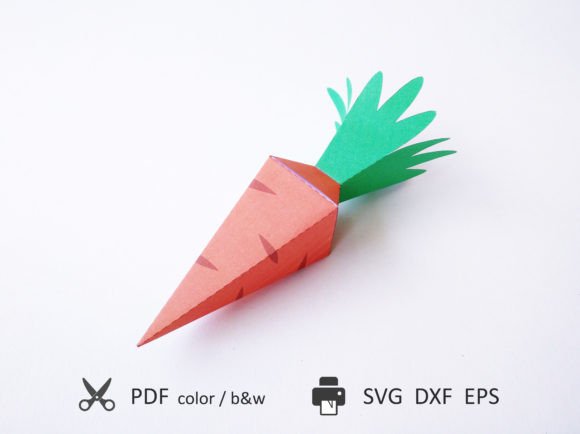
Carrot 3D Template for Paper Crafting: A Graphics Gem for Crafters
If you're a crafter who loves creating unique, handcrafted items with a personal touch, the Carrot 3D Template for Paper Crafting is something worth exploring. As someone who has been designing and selling handmade products for years, I’ve tested countless graphic design assets for use in Cricut projects, printable designs, and more. This template caught my eye not just for its whimsical shape but also for how it could elevate a variety of paper-based crafts and small business branding efforts.
First Impressions and Visual Style
From the moment I unzipped the file and took a look at the digital layout, the Carrot 3D Template gave off a warm, playful vibe. It’s clearly meant to be used as a gift box or decorative paper toy, but its charm goes beyond that. The lines are clean, the structure is intuitive, and the overall aesthetic leans toward the cute and festive. Whether you're crafting for kids, holidays, or even fall-themed collections, this asset feels like it fits right into a cozy, handmade environment.
As a designer, I can see how it would appeal to buyers looking for something handmade yet refined, especially those who enjoy rustic, vintage-style decor or love adding personalized touches to their gifts. It suggests a level of craftsmanship that’s both thoughtful and approachable—perfect for hobbyists and creative entrepreneurs alike.
Real-World Use Cases for Handmade Businesses
One of the things I value most in a graphic design asset is versatility. The Carrot 3D Template isn’t just limited to one type of project. Here are some real-world scenarios where it shines:
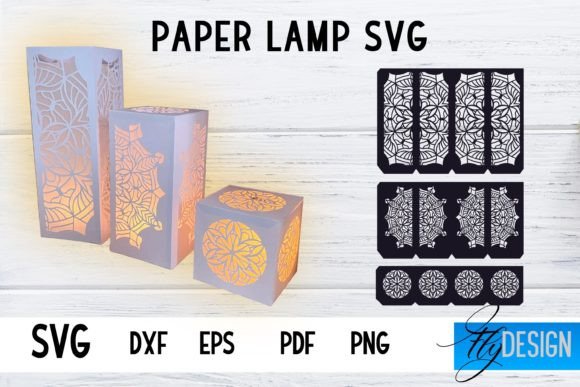
- Cricut Projects: Ideal for making custom gift boxes, thank-you cards, or seasonal decorations. The SVG files work well with cutting machines, allowing for precise folds and glue tabs.
- Silhouette Projects: Just like with Cricut, Silhouette users will find the DXF and EPS formats useful for intricate paper folding and layering.
- Greeting Cards & Gift Tags: The carrot illustration adds a fun visual element to handmade cards and tags, especially around birthdays or holidays.
- Printable Wall Art: When paired with the right background or text, the PNG version can become part of a charming printable design suitable for scrapbooking or home decor.
- Planner Stickers & Decorative Accents: The clean lines make it great for planner stickers or as an accent on handmade packaging, giving your craft items a polished finish.
- Product Mockups: If you're an Etsy seller or preparing for a craft fair, using this design in mockups can help showcase your product offerings effectively.
- Seasonal Craft Bundles: The festive feel makes it a strong candidate for autumn collections or holiday-themed kits sold online or at local markets.
Where This Asset Works Best
The Carrot 3D Template excels in specific areas, which I believe should guide your usage as a handmade product creator:
- Large Cut Files: Its size and complexity work best when printed and cut on larger surfaces, such as cardstock or poster board.
- Clean Printable Layouts: The PNG transparency allows it to blend seamlessly with backgrounds, making it ideal for printables like wall art or DIY instructions.
- Gift Products: Think about using it as a standalone paper toy or as a decorative insert in handmade gift boxes and baskets.
- Decorative Accents: It adds a nice visual pop to thank-you cards, packaging inserts, or even as part of a mini scrapbook page.
- Personalized Items: Add names or short phrases to the design to create custom thank-you notes or party favors.
- Handmade Shop Collections: Pair it with other fall or nature-themed graphics to build a cohesive set of products for your Etsy shop or print-on-demand line.
Use It Carefully in These Scenarios
While the Carrot 3D Template is versatile, there are certain situations where it might not perform as expected:
- Very Small Cutting Details: If you're planning to scale it down significantly, some parts may become too delicate for hand-cutting or machine precision.
- Thin Lines or Crowded Compositions: The design is already detailed, so placing it in a busy layout or alongside many other elements can cause visual clutter.
- Low-Contrast Colors: Avoid using it on light-colored papers or substrates without sufficient contrast, as it may lose definition.
- Layered Vinyl Projects: Because it's designed for fold-and-glue construction, it doesn't translate well to layered vinyl applications unless heavily modified.
- Small Sticker Sizes: The intricate nature of the design means it won’t hold up well if shrunk too much for tiny stickers.
Before incorporating it into your final products, always test how it looks and functions at different sizes and on various materials.
Technical Tips for Real Crafting Workflows
Here are a few practical notes from my experience working with this asset:
- Test Before Selling: Always do a trial run before listing finished items for sale. Fold the template manually or through your cutting machine to ensure it holds together properly.
- Check SVG Line Quality: Open the SVG file in your design software (like Cricut Design Space or Silhouette Studio) and verify that all paths are closed and clean.
- Preview PNG Transparency: Make sure the PNG file maintains clarity and doesn’t bleed when placed over textured or patterned backgrounds.
- Confirm Resolution for Sublimation: If you plan to integrate it into sublimation designs, check the resolution to avoid pixelation or blurriness after heat transfer.
- Test Colors on White and Dark Surfaces: The design may appear differently depending on the material or surface it's applied to—especially important for mug wraps or tote bag prints.
- Resize Thoughtfully: While scaling is possible, be mindful of proportions. Too large and it becomes overwhelming; too small and details get lost.
- Simplify if Needed: For mass production or simpler customer orders, consider simplifying the design by removing unnecessary layers or accents.
- Font Pairing Suggestions: To complement the style of the carrot illustration, pair it with a serif font for elegance, a sans-serif for modernity, or a script/handwritten font for a personal touch.
- Commercial Licensing: Confirm whether the asset includes a commercial license before using it for customer orders or branded products. Some free cliparts come with restrictions.
Why It’s Worth Adding to Your Design Toolkit
For handmade sellers and small businesses, the Carrot 3D Template offers a fresh way to add dimension and charm to your product lineup. It stands out in a sea of flat illustrations by offering a tactile, interactive experience—something customers really appreciate in a handmade context.
Whether you're prepping for a seasonal collection or expanding your Etsy product range, this template can serve as a key piece in your design bundle. It supports a wide array of crafts, including tumbler wraps, greeting cards, and even educational printables. The fact that it works across multiple file types (PDF, SVG, DXF, EPS) gives you flexibility in how you use it in your workflow.
I've found it particularly effective in small business branding projects where clients want to emphasize creativity and simplicity. The carrot motif is universally friendly and can be adapted for various audiences—from children’s birthday invitations to adult-oriented fall décor.
Final Thoughts for Crafters and Creative Entrepreneurs
As an experienced handmade product creator, I recommend the Carrot 3D Template for Paper Crafting for anyone looking to add depth and personality to their designs. It's not just another clipart—it's a thoughtful graphic design asset that invites interaction and brings joy to both maker and buyer.
That said, treat it like any other design you bring into your creative process. Test it thoroughly, understand its limitations, and use it where it adds the most value. With the right approach, it can become a staple in your crafting toolkit and a favorite among your customers on creative marketplaces like Etsy or at craft fairs.
Incorporate it into your next handmade business project, and you'll likely find yourself reaching for it again and again. After all, good design assets don’t just look nice—they work hard to support your vision and streamline your workflow.