3D Layered Beetle SVG for Wall Decor: A Laser-Cut Design Asset Worth Adding to Your Kit
As a seasoned blog designer and digital publisher, I’m always on the lookout for graphic design assets that can elevate the visual storytelling of content websites. The 3D Layered Beetle SVG, Insect Wall Art caught my eye not just for its aesthetic appeal but for how it could naturally integrate into editorial layouts, blog headers, and even Pinterest pins with minimal effort and maximum impact. This laser-cut file offers a unique blend of creativity and technical precision—perfect for those who want to add character without compromising professionalism.
First Impressions: An Artistic Yet Modern Graphic Design Asset
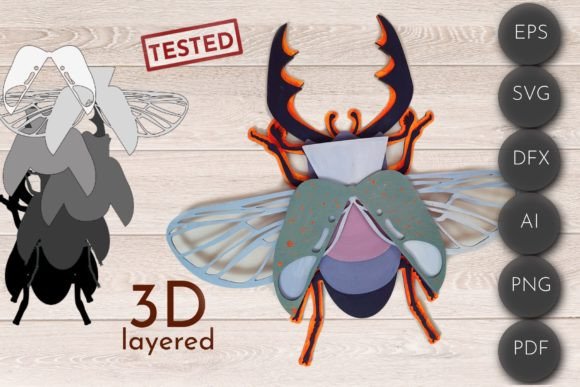
The 3D Layered Beetle SVG immediately conveys an artistic and slightly whimsical mood. It’s detailed enough to feel handcrafted but clean enough to maintain a modern sensibility. As a visual element in web design or editorial content, this insect-themed wall decor brings a touch of nature-inspired artistry that feels both playful and refined.
This design asset is ideal for lifestyle blogs, home décor sites, eco-conscious platforms, and niche content focused on entomology or nature appreciation. Its layered structure gives it depth, making it more than just a flat illustration—it tells a story through dimension. Whether used as a standalone feature or combined with other design elements, it supports a creative and educational tone well.
Real-World Applications in Content Publishing
Let’s dive into where this beetle SVG can truly shine in your publishing workflow:
- Pinterest Pin Graphics: With its bold, intricate shape, the beetle makes for a strong focal point. When paired with a clear headline about DIY wall art or natural home décor, it increases click-through potential significantly.
- Blog Featured Images: Use it subtly in the corner of a featured image to reinforce themes around organic design, bug lovers’ guides, or creative home projects. It adds interest without overwhelming the message.
- Newsletter Headers: If your brand leans toward the quirky or artsy side, this SVG works beautifully as a header graphic. It breaks up text and reinforces your brand identity with a memorable visual motif.
- Category Thumbnails: For blogs covering topics like interior design or craft tutorials, the beetle can be used to create category thumbnails that are instantly recognizable and visually engaging.
- Digital Guides & Lead Magnets: This design can enhance downloadable resources such as "How to Create Insect-Themed Wall Art" guides or printable SVG collections. It adds value by making your digital product look professionally crafted.
- Social Media Previews: Especially for Instagram stories or Facebook posts promoting new content or products, the beetle SVG can help you build a cohesive visual identity across platforms.
Why This Design Asset Boosts Editorial Quality and Branding
One of the key strengths of the 3D Layered Beetle SVG lies in its ability to support stronger first impressions. Readers often judge content based on visuals alone, and having a compelling image at the top of an article can make all the difference. The layered detail also helps establish clearer visual hierarchy when used in website headers or Canva templates, especially if you're working with negative space or minimalist backgrounds.
From a branding perspective, consistent use of this SVG across blog graphics, social media posts, and downloadable printables creates better category recognition. Over time, your audience will begin to associate the beetle with your brand’s visual identity, which builds reader trust and familiarity. That kind of connection is essential for affiliate marketing or content marketing strategies that rely on repeat engagement.
Where This Asset Works Best: Strategic Placement Tips
To get the most out of the 3D Layered Beetle SVG, consider these high-impact placements:
- Hero Sections: Place it as an accent in hero images for pages discussing nature-inspired home décor or creative crafts.
- Article Thumbnails: When resized appropriately, it can serve as a thumbnail icon for insect-related articles or DIY project categories.
- Editorial Accents: Use it to frame quotes, section dividers, or pull-out boxes within long-form content to add visual rhythm and interest.
- Content Upgrades: Include it in digital downloads like SVG bundles, printable cards, or themed worksheets to increase perceived value.
- Media Kits: Add it as a background element or decorative border in your brand's media kit for a fresh and creative look.
Use Carefully in These Situations
While the 3D Layered Beetle SVG is versatile, there are scenarios where it may not be the best fit:
- Small Mobile Thumbnails: The intricate details might become lost at lower resolutions. Always preview it on mobile before finalizing any layout.
- Text-Heavy Blog Images: Don’t let the design overshadow important headlines or body copy. Balance is key for readability.
- Low-Contrast Backgrounds: Test the beetle against various color schemes. On muted tones, it might need a subtle stroke or shadow to stand out.
- BUSY LAYOUTS: Avoid placing it in cluttered designs. Let it breathe so it doesn’t compete with other visual elements.
- Corporate or Minimalist Niches: While the beetle has a modern edge, it still carries a decorative vibe that may clash with very serious or ultra-clean branding styles.
- Test on Desktop and Mobile Screens: Check how it scales and renders in different environments to maintain consistency.
- Thumbnail Preview Mode: Resize it to see how it looks as a small preview—especially important for SEO-driven blog graphics and Pinterest optimization.
- Headline Pairing: Try overlaying it with different font styles—serif, sans serif, script, display—to find the right balance between form and function.
- Color Variations: Experiment with black-and-white versions to assess how it functions without color, especially for grayscale printing or monochrome branding.
- Contrast and Readability: Ensure it doesn’t interfere with legibility when placed over text-heavy areas or call-to-action buttons.
- File Size Optimization: Even though it’s an SVG (which is typically lightweight), export settings and added effects can bloat file size. Keep it optimized for web performance.
- Commercial Licensing: Always confirm the licensing terms before using it in monetized contexts like affiliate pages, paid digital guides, or commercial design kits.
Practical Publisher Notes for Seamless Integration
Before adding the 3D Layered Beetle SVG to your content pipeline, here are some actionable tips to ensure it performs well across platforms:
A Polished Addition to Your Creative Toolkit
In the fast-paced world of content publishing, having access to high-quality design assets like the 3D Layered Beetle SVG can streamline your workflow while boosting the overall polish of your site. It’s not just another vector—it’s a statement piece that can anchor your visual communication strategy, whether you’re designing a seasonal post, crafting a lead magnet, or building a cohesive set of social media graphics.
Its adaptability across laser cutting formats means it can also serve dual purposes—both online and in physical spaces. Imagine using it as part of a digital ad campaign and then creating real-world wall decor from the same design for events or unboxing videos. That kind of cross-platform flexibility is rare and incredibly valuable for small business branding or creative entrepreneurs looking to expand their offerings beyond just digital downloads.
Final Thoughts on Editorial and Web Design Impact
The 3D Layered Beetle SVG, Insect Wall Art is more than just a pretty picture. It’s a strategic design asset that supports editorial quality and enhances the storytelling of your content. From blog headers to newsletter accents, it adds a layer of personality and visual sophistication that can help your brand stand out in a crowded creative marketplace.
For bloggers, publishers, and digital marketers aiming to create more professional-looking content pages, this SVG offers a unique opportunity to infuse style and substance into your visuals. Just remember to test, optimize, and apply it thoughtfully—because great design isn't just about looking good, it's about working hard behind the scenes to support your message and brand voice.