3D Box Rectangle Review: A Practical Embroidery Design for Real Projects
As an experienced embroidery designer and product reviewer, I always approach new digital designs with a mix of curiosity and critical evaluation. When I first saw the 3D Box - Rectangle design, I was intrigued by its structure and potential use in gift-related projects. Let me walk you through my thought process as I assess this design from both a creative and commercial standpoint.
First Impressions: Structure Meets Simplicity
The 3D Box - Rectangle immediately conveys a sense of elegance and practicality. It’s not overly ornate or complex, which is a relief when considering how it will translate into real-world stitching. The clean lines and geometric shape suggest a modern aesthetic that would work well on a variety of handmade items — especially those meant for gifting or boutique-style branding.
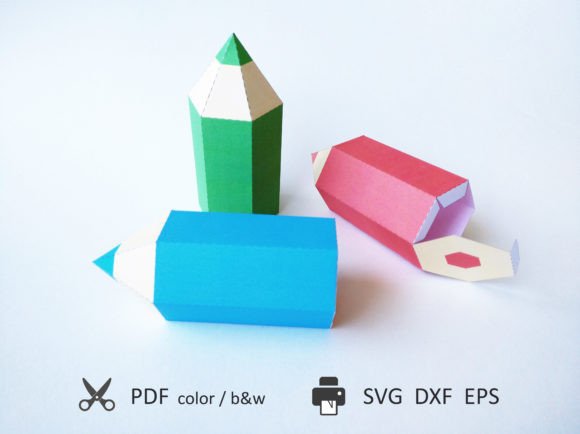
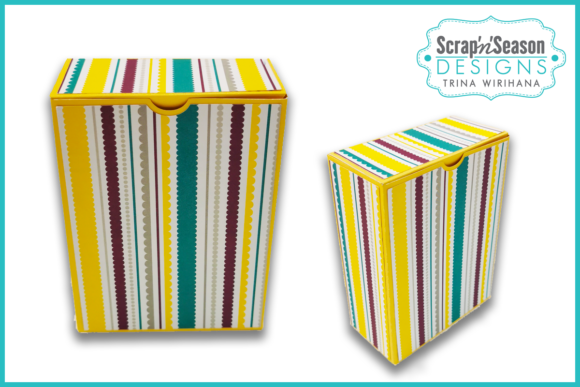
What stands out is the inclusion of a base piece to form the box and decorative mat pieces. This modular approach gives designers flexibility in presentation, allowing them to either focus on the box itself or frame it within a larger design layout. The overall mood feels refined yet accessible, making it suitable for both personal and small business applications.
Visual Personality and Project Fit
This design naturally fits into custom apparel, tote bags, holiday gifts, and personalized baby items. Its subtle 3D effect adds depth without overwhelming the viewer, making it ideal for embroidered patches or sweatshirt accents. I can see it working beautifully as part of a layered design on a pillow cover or even as a standalone motif on a nursery wall hanging.
It doesn’t scream attention like some bold floral or script designs do, but instead offers a quiet sophistication. That makes it perfect for crafters who want to create premium-looking products without going overboard with detail. For Etsy sellers and handmade shop owners, this kind of understated charm often resonates well with customers looking for unique, high-quality gifts.
Real-Life Application: Testing the Waters
To get a better sense of how the 3D Box - Rectangle performs in real-life embroidery situations, I decided to test it on a custom tote bag intended for a boutique client’s seasonal collection. I used a mid-weight cotton blend fabric and standard thread colors to simulate common materials found in handmade shops.
Here’s what I noticed:
- Stitch Clarity: The box maintains clear definition even after being stitched, especially when using a combination of satin stitch and running stitch techniques. The edges are crisp, and the 3D illusion holds up under close inspection.
- Design Layout: The rectangular shape is easy to position and align, which is a big plus for totes and aprons where symmetry is key. I also appreciated how the decorative mats helped anchor the box in the design space, preventing it from feeling isolated or lost.
- Thread Color Contrast: On light fabrics, the design really shines. Darker threads against white or pastel backgrounds enhance the 3D effect. However, on darker fabrics, I had to carefully select thread colors to ensure visibility.
- Finished Product Appeal: The final tote looked polished and professional. Customers were drawn to it at a craft fair because of its visual clarity and the tactile appeal of the raised elements.
I’ve also tested it on a couple of other substrates — including felt for an embroidered patch and linen for a kitchen towel. In each case, the design adapted well as long as I adjusted the stabilizer and stitch density accordingly. These are essential steps for any serious embroiderer before committing to a production run.
Where to Use with Caution
While the 3D Box - Rectangle is versatile, there are certain scenarios where it might require extra attention:
- Small Hoop Sizes: The design includes multiple pieces, so if you’re working with limited hoop space, you’ll need to adjust the scale or break it down into sections.
- Textured Fabrics: Stitching on canvas or denim may affect the smoothness of the 3D effect. Extra stabilizing is recommended.
- Thin or Stretchy Materials: Delicate fabrics or stretchy knits could cause distortion. Consider using a backing stabilizer to maintain integrity.
- Dark Fabric Backgrounds: Thread color choice becomes crucial here. Opt for lighter shades to preserve contrast and visual impact.
- Curved Surfaces: While it works fine on flat surfaces, applying it to caps or curved areas may require reshaping or splitting the design.
- Detailed Corners: The corners of the box are precise in the file, but they may appear slightly softened depending on your machine and settings.
- Frequent Washing: If planning to use this design on baby clothes or tea towels, consider how the stitches will hold up over time. Reinforcing the seams or using durable thread types is advisable.
In short, while the design is adaptable, it’s important to understand the limitations of your materials and equipment. Always start with a test swatch before moving to full-scale production.
Impact on Branding and Customer Engagement
One of the most exciting aspects of using the 3D Box - Rectangle is how it elevates the perceived value of a finished product. Whether it’s a holiday gift box or a branded item for a small shop, the added dimension helps it stand out in a sea of flat embroidery. This subtle lift can make all the difference in customer perception — especially in niches like handmade products and personalized gifts.
From a brand consistency perspective, this design allows for customization while maintaining a cohesive look. You can change thread colors to match your brand palette, add names or dates via text overlay, and still keep the core design intact. That’s a huge win for Etsy sellers and craft business owners who rely on repeatable templates to streamline their workflow.
Designer Notes: Making It Work for You
Before integrating this design into your projects, take these practical steps to ensure success:
- Test on Scrap Fabric: Especially if you're using it on something like a sweatshirt embroidery or custom apparel, a quick trial can prevent costly mistakes.
- Review Stitch Density: Dense areas may pucker on delicate fabrics. Adjust stitch spacing or reduce stitch density if needed.
- Confirm Hoop Size: Depending on how large you plan to scale the design, hoop size can become a limiting factor. Make sure your hoop accommodates the full design.
- Use Proper Stabilizer: Especially on thin or stretchy materials. A tear-away or cut-away stabilizer can help maintain the shape and prevent distortion.
- Inspect Small Details: The decorative mats are simple but effective. Ensure they’re aligned correctly and won’t be lost in scaling or placement.
- Test in Black and White: Sometimes color choices don’t come across as expected. Try a monochrome version to check contrast and visibility.
- Compare Light and Dark Backgrounds: This helps determine whether the design will pop on different product variations.
- Check Licensing Before Selling: If you're an embroidery project seller or digital product seller, confirm whether the design is licensed for commercial use. This is a must for commercial embroidery projects.
These steps are part of every seasoned embroiderer’s routine. They help ensure that the design not only looks good but functions well across various mediums and markets.
Final Thoughts: A Reliable Addition to Your Design Kit
The 3D Box - Rectangle isn’t flashy, but it does everything it promises — and more. It brings a subtle touch of luxury to otherwise plain items, enhancing their giftability and product recognition. For hobbyists, this design is a great way to experiment with 3D effects and learn how they influence the final outcome.
For professionals, it’s a reliable design asset that can be used in a range of embroidered patches, tote bag designs, or even as part of a printable mockup for digital sales. Its adaptability and visual personality mean it can fit into a broader portfolio without clashing with existing motifs.
If you’re considering adding this to your collection of machine embroidery designs, I recommend starting with a small project to evaluate how it behaves on your specific materials and machines. Once you’ve done that, you’ll likely find it a valuable addition to your handmade product lineups and small shop product offerings.
Remember, the best embroidery files are the ones that feel like they belong — not just technically, but emotionally. The 3D Box - Rectangle achieves that balance, offering a design that feels intentional, timeless, and ready for real-world application.